From May 3–5 the Union’s most committed delegates and leaders came together in Atlantic City, New Jersey, to discuss and ratify the plan of work that the whole membership collectively participated in creating—through the listening tours, area-wide and departmental conversations, delegate meetings, and member polling.
How 1199 will Build, how it will Grow, and how every member can work together to create the conditions for everyone to be able to Thrive—these are the three pillars that will take the Union forward. 1199 is only as strong as its chapters and its chapters are only as strong as its leaders.
Four member leaders who work in different regions—with a variety of job titles—caught up with 1199 Magazine ahead of the summit to describe how they build community within their chapters and what strategies they use to promote member engagement.
“I interact with both Union and non-Union members and talk about what the 1199 does for us.”
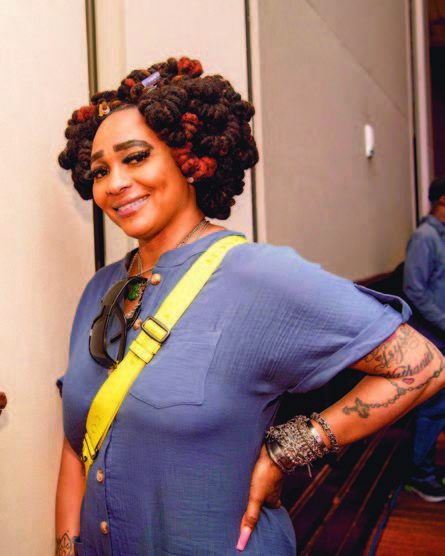
Debra Best, an 1199 Delegate and Senior EKG Technician at Brookdale Medical Center in Brooklyn, New York, says:
“I interact with both Union and non-Union members and talk about what the 1199 does for us. The Union funds [in NYC] provide healthcare, childcare and training funds, but more importantly we stand for and with you, we’ll fight for you, if you get into a problem, the union and members come and defend you,” says Best, who also encourages members to get involved early and often.
“I tell them don’t just become a union member but get involved with the PAC [Political Action Contribution Fund] program, get on the bus when we go to Albany because we’re fighting for equality and more money. I encourage them to come out and see what we do, that we’re here not just for them, but to help everyone.”
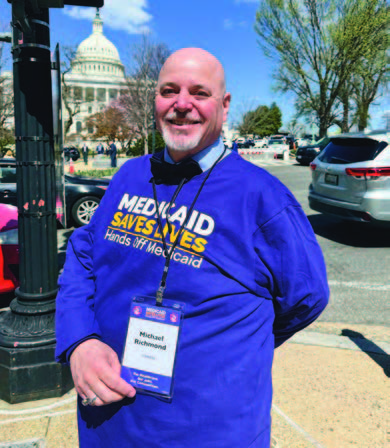
Mike Richmond is an RN in the vascular access department at Auburn Community Hospital, located in Upstate, NY, between Syracuse and Rochester. He has advanced training to enable him to place special types of IV tubes, but he is new to being an 1199 Delegate—having been elected last summer.
“I have been in the labor movement for decades. I was in UAW before coming to 1199, but I’m a baby delegate,” he says.
Living where he does: “We have a lot of members who are Republicans and conservative. I start by asking them what’s common to us all? We all want to come to safe workplace; we want dignity and respect. People will stay in bad work environments if they’re respected.”
He’s also seen how providing space for disagreement is key in forming community, especially as his unit is going into contract negotiations and forming their bargaining committee.
“I’ve got this amazing LPN that is extremely conservative and she’s very intelligent, articulate, and her skills are what we want to model leadership after. She’s nervous about being active in the union and in bargaining because there’s so much propaganda that people spread that separate us. But I’m like, ‘if you’re at the table and coming forward, even if you disagree with me, I will make sure you have the space and right to disagree.’ It’s through that disagreement and discussion that brings up alternatives and solutions to issues.”
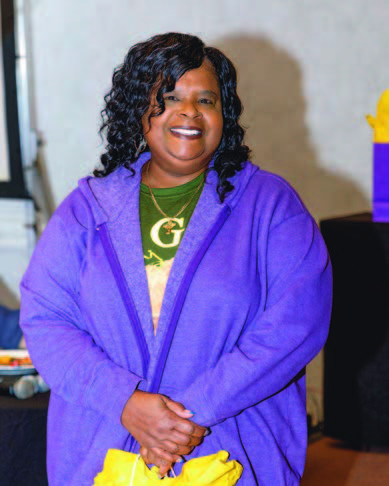
For Debra Williams, an 1199 Delegate and Dietary Aide at the Tamarac Rehabilitation and Health Center near Fort Lauderdale, Florida, developing leaders and growing a community starts with empathy.
“When I first started, I had to learn what a union was about and what the union did. I was never a part of a union before.
“We didn’t have a lot of members and [my organizer] would have me go to certain people… find out why they’re not members or what’s stopping them from becoming a member. I would get all these different stories from them,” says Williams, who’s been with the Union for ten years now.
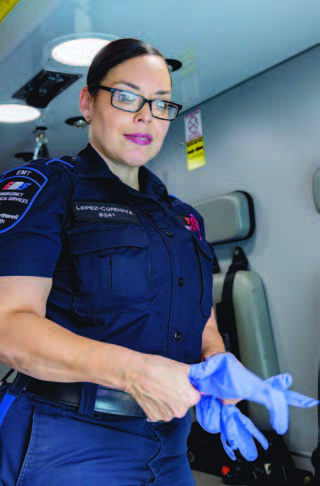
Getting to members early and often and leading with education is also how Lisa Lopez-Cordova, an 1199 Delegate and EMT at Lenox Hill Hospital in Manhattan, keeps member engagement high.
“My organizers threw me into everything,” she says with a laugh. “You name a group and I got thrown into it; I got exposed to a lot.”
She describes lobbying, organizing, and participating in new campaigns, emphasizing education:
“When I came on board I had someone sit down and explain things to me… what are union dues, what is PAC, the benefits, why we go to rallies, how it all works. I tell them from the beginning that this is important, so when I say ‘c’mon let’s go’… they come and join me.”
How to talk to disengaged members
“Most people now just want to go to work and go straight home and not get involved in activities,” says Best.
“I tell them you can come to the meeting and see if you like it… you gotta crawl before you walk.”
“It’s also about knowing that there’s a cost if you’re not there… you have to get the pieces to put the puzzle together.”
How to handle disagreements
Conflicts are natural when you’re building community.
“It’s about inclusion and meeting people where they are,” says Richmond.
“It’s important to frame conversations as discussions rather than debates… if we’re discussing… we’re learning about each other.”
Lopez-Cordova described resolving workplace conflict internally:
“As Union members we can’t do this… our main goal is our patients.”
The importance of communication
“Delegates have to keep repeating themselves. I’d rather sound like a broken record than have a member tell me that they didn’t know about something,” says Lopez-Cordova.
Williams adds:
“You gotta have that listening ear… it’s all about the communication.”
How to talk about Union dues
“Some don’t want to get involved because they don’t like dues… I have to correct them,” says Williams.
“Dues are only 2 percent… the union is their job security.”
Lopez-Cordova explains:
“Many members don’t understand what dues actually cover… we get a lot in return for $25.”
Williams adds a personal perspective:
“I’m okay with the dues. That is what gives us representation… some of us blow that easy in a week or two.”
She concludes:
“The Union is not a building—the Union is us! The Union is you! What are you doing?”